
 EN
EN



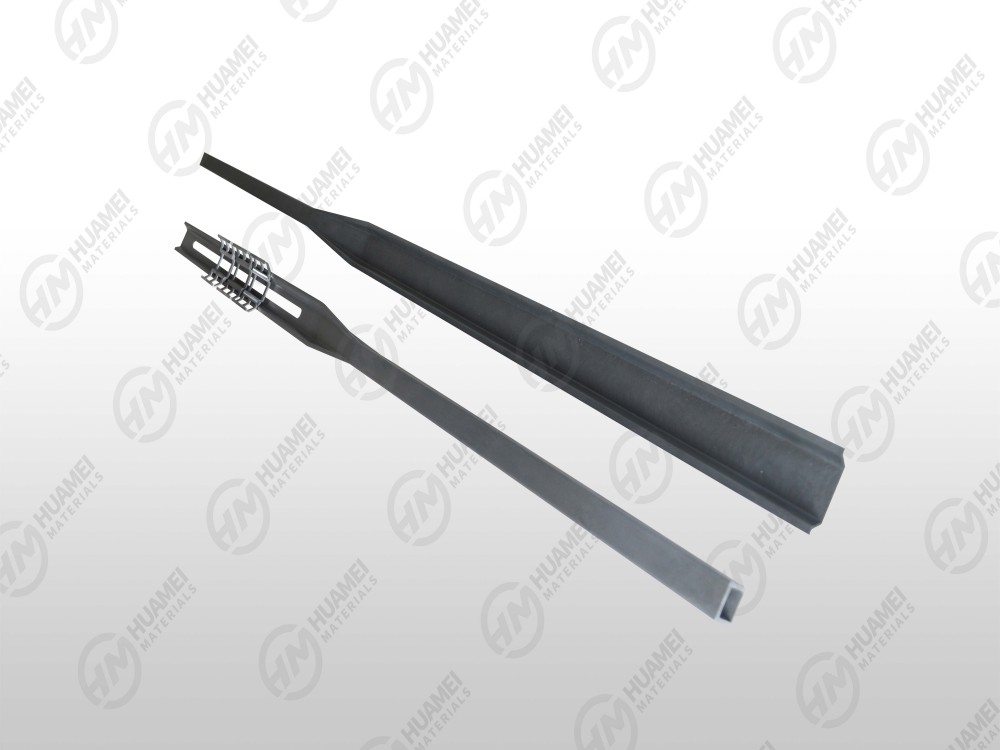
Silicon carbide impellers are critical components in slurry pump systems, known for their durability and efficiency in handling abrasive materials. Understanding why silicon carbide powder impellers are essential for slurry pump performance can help purchasing managers, engineers, and product managers make informed decisions. This article will explore the advantages of silicon carbide impellers, sourcing options, cost considerations, installation guidance, and common issues related to slurry pumps.
Understanding the Advantages of Silicon Carbide Impellers for Slurry Pumps
Silicon carbide (SiC) impellers offer numerous advantages in slurry pump applications, primarily due to their exceptional hardness and corrosion resistance. These characteristics make SiC particularly suitable for handling abrasive and chemically aggressive slurries encountered in various industries, such as mining, wastewater treatment, and chemical processing.
One significant advantage of silicon carbide impellers is their ability to reduce wear rates compared to traditional materials like metal or plastic. This not only extends the lifespan of the impellers but also minimizes downtime and maintenance costs. Additionally, SiC impellers maintain their performance at elevated temperatures and can withstand high pressures, making them versatile for different operational environments.
Furthermore, the lightweight nature of silicon carbide allows for more efficient pump operation, reducing the energy required to drive the pump. This efficiency can lead to lower operational costs over time, making them an attractive choice for businesses looking to optimize their slurry handling processes.
Where to Source Reliable Silicon Carbide Impellers in Bulk?
When sourcing silicon carbide impellers in bulk, it's essential to partner with a reputable manufacturer that specializes in advanced ceramic materials. Shandong Huamei New Material Technology Co., Ltd. stands out in this regard, offering a full silicon carbide product chain backed by advanced German technology and a robust quality control process.
Buyers should consider several factors when selecting a supplier. First, assess the manufacturer's experience and expertise in producing silicon carbide products. Look for companies that hold relevant patents and certifications that demonstrate their commitment to quality and innovation. Additionally, inquire about their manufacturing capabilities, production equipment, and customization options to ensure they can meet specific project requirements.
To facilitate bulk orders, buyers should also consider the supplier's minimum order quantities (MOQ) and production capacity. Understanding these factors will help streamline the procurement process and ensure timely delivery.
Cost Considerations for Wholesale Silicon Carbide Impellers
Cost is a critical factor in the procurement of silicon carbide impellers, and several elements can influence pricing. The material cost, production processes, and order volume all play significant roles in determining the final price.
Silicon carbide itself is more expensive than conventional materials due to its advanced properties and manufacturing complexities. However, the long-term savings associated with reduced wear and maintenance can offset these initial costs. Buyers must weigh the upfront investment against potential lifetime savings when evaluating options.
Additionally, bulk orders typically come with reduced unit pricing, allowing companies to maximize their budget. It’s advisable to request quotations of sic impellers for slurry pumps from multiple suppliers and compare not just the prices, but also the included services, such as technical support, warranty terms, and lead times.
Buyers should also remain mindful of any additional costs associated with shipping and handling, especially for international orders. Understanding total cost implications will help ensure that procurement decisions align with budgetary constraints.
Installation Guidance for Silicon Carbide Impellers in Slurry Pumps
Proper installation of silicon carbide impellers is crucial to ensuring optimal performance and durability. Before installation, it's essential to review the manufacturer's specifications and ensure compatibility with the existing pump system.
During installation, consider the following key aspects:
Surface Preparation: Ensure that all mating surfaces are clean and free from debris. Proper surface preparation helps prevent misalignment and wear during operation.
Correct Alignment: Align the impeller accurately within the pump casing to avoid excessive vibration or wear. Misalignment can lead to premature failure of the impeller and the pump.
Torque Specifications: Adhere to the manufacturer’s torque specifications when securing the impeller. Over-tightening can lead to cracking, while under-tightening may result in loosening during operation.
Testing: After installation, conduct a performance test to ensure that the impeller operates within specified parameters. Monitoring for unusual noises or vibrations during initial operation can help identify installation issues early.
By following these guidelines, operators can maximize the lifespan and effectiveness of silicon carbide impellers within slurry pumps.
Common Issues with Slurry Pumps and Solutions Using Silicon Carbide
Slurry pumps face various challenges, including wear, corrosion, and clogging, which can hinder their efficiency and reliability. Silicon carbide impellers address many of these common issues effectively.
1. Wear and Tear: Traditional materials often succumb to rapid wear when exposed to abrasive slurries. Silicon carbide's hardness significantly reduces wear, extending the life of impellers and minimizing the frequency of replacements.
2. Corrosion Resistance: In environments where chemical exposure is a concern, silicon carbide's inherent corrosion resistance provides a robust solution. This feature is particularly valuable in industries such as chemical processing, where slurries may contain aggressive substances.
3. Clogging and Blockages: Clogging can lead to operational inefficiencies and increased maintenance costs. The smooth surface of silicon carbide impellers helps reduce the likelihood of material buildup, ensuring smoother flow and operation.
4. Vibration and Noise: Improperly aligned or worn impellers can lead to excessive vibration, which may affect the entire pump system. By ensuring precise installation and utilizing silicon carbide, businesses can mitigate vibration issues, thereby enhancing overall pump performance.
silicon carbide impellers represent a vital component for improving slurry pump performance. By understanding their advantages, sourcing a silicon carbide impellers for slurry pumps effectively, managing costs, ensuring proper installation, and addressing common issues, organizations can enhance their operational efficiency and reduce long-term costs. With Shandong Huamei New Material Technology Co., Ltd.'s expertise in silicon carbide ceramics, buyers can confidently pursue high-quality solutions for their slurry handling needs.
Table of Contents
- Understanding the Advantages of Silicon Carbide Impellers for Slurry Pumps
- Where to Source Reliable Silicon Carbide Impellers in Bulk?
- Cost Considerations for Wholesale Silicon Carbide Impellers
- Installation Guidance for Silicon Carbide Impellers in Slurry Pumps
- Common Issues with Slurry Pumps and Solutions Using Silicon Carbide