
 EN
EN



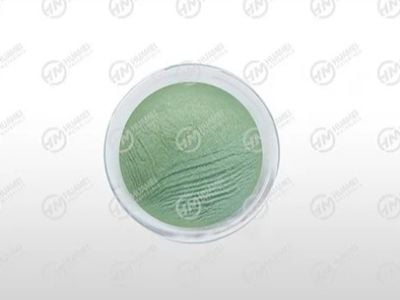
Customized RBSiC/SiSiC ceramic solutions play a crucial role in various complex industrial applications, offering superior performance in demanding environments. As a purchasing manager or engineer, you may have specific concerns regarding material selection, supplier reliability, and quality assurance. This article aims to guide you through the important considerations when choosing customized RBSiC/SiSiC ceramic solutions, ensuring you make well-informed purchasing decisions that align with your project's requirements.
How to Choose the Right RBSiC/SiSiC Ceramic Solutions for Your Project?
Selecting the appropriate RBSiC (Reaction Bonded Silicon Carbide) or SiSiC (Silicon Infiltrated Silicon Carbide) ceramic solution begins with a thorough understanding of your project’s specific requirements. Consider factors such as operating temperature, chemical exposure, and mechanical stress that the material will encounter.
Performance Specifications: Identify the performance specifications crucial for your application, including thermal stability, wear resistance, and toughness. RBSiC ceramics typically excel in high-temperature environments, while SiSiC offers enhanced strength and thermal shock resistance.
Application Compatibility: Assess the compatibility of each ceramic type with the intended application. For instance, Silicon carbide (SiC) rollers is often favored for applications involving corrosive chemicals or abrasive materials due to its superior density and strength.
Customization Needs: Determine if your project requires customized dimensions or shapes. Many manufacturers, including Shandong Huamei New Material Technology Co., Ltd., offer tailored solutions to meet specific operational requirements.
By carefully evaluating these factors, you can ensure that the selected ceramic solution aligns with both performance expectations and project goals.
Sourcing Reliable Suppliers
Finding a reliable supplier for RBSiC/SiSiC ceramic solutions is critical to maintaining quality and consistency in your supply chain. Here are key points to consider when sourcing:
Reputation and Experience: Research potential suppliers' industry reputation and their experience in manufacturing RBSiC and SiSiC products. Companies with established expertise, like Shandong Huamei, often have a track record of successful projects and satisfied customers.
Technical Support and Consultation: A trustworthy supplier should offer technical support to assist you during the selection process. This includes guidance on material properties, processing capabilities, and product customization options.
Quality Assurance Protocols: Ensure that the supplier has robust quality control processes in place. Verify whether they hold relevant certifications or patents that demonstrate their commitment to quality, such as the 110 patents held by Shandong Huamei.
Supply Chain Reliability: Assess the supplier’s ability to meet your lead times and volume requirements. Reliability in delivery is crucial to avoid operational disruptions.
By focusing on these aspects, you can select a supplier that not only meets your immediate needs but also supports your long-term project goals.
Evaluating the Quality of RBSiC/SiSiC Ceramics in Bulk Orders
When ordering RBSiC or SiSiC ceramics in bulk, ensuring product quality is paramount. Here’s how to effectively evaluate quality:
Material Properties Verification: Request detailed specifications of the ceramics, including hardness, thermal conductivity, and mechanical strength. Confirm that these properties meet your application’s requirements.
Sample Testing: Before finalizing a bulk order, insist on receiving samples. Conduct tests to evaluate the ceramics under operational conditions, examining factors like thermal shock resistance and wear performance.
Inspection Criteria: Establish clear inspection criteria for bulk orders, focusing on dimensions, surface finish, and structural integrity. This ensures that the delivered products meet your project specifications.
Factory Audits: If feasible, perform audits of the manufacturing facility. Understanding their production processes and quality control measures can provide insights into their ability to consistently deliver high-quality products.
By implementing these evaluation methods, you can mitigate risks associated with bulk purchases and ensure you receive ceramics that meet your operational standards.
Cost Factors to Consider When Purchasing RBSiC/SiSiC Products
Understanding the cost structure associated with RBSiC and SiSiC ceramics is essential for effective budgeting and financial planning. Consider these factors:
Material and Production Costs: The cost of raw materials and the complexity of the manufacturing process directly affect pricing. RBSiC may be more cost-effective for certain applications, while green sic might incur higher production costs due to its enhanced properties.
Customization and Machining: Customization requirements, such as specific dimensions or shapes, can lead to additional costs. Evaluate whether the benefits of customization justify the extra expense.
Volume Discounts: Many suppliers offer discounts for bulk orders. Understand the minimum order quantity (MOQ) that qualifies for these discounts, as this can significantly impact overall costs.
Logistics and Shipping: Factor in shipping costs and delivery timelines. Depending on your location and the supplier’s logistics capabilities, shipping can add to the overall expense.
By carefully analyzing these cost factors, you can make informed purchasing decisions that align with your budgetary constraints while still obtaining high-quality ceramic solutions.
Applications of RBSiC/SiSiC Ceramics in Various Industries
RBSiC and SiSiC ceramics are versatile materials widely utilized in multiple industries due to their exceptional properties. Here are some common applications:
Aerospace and Defense: In these sectors, RBSiC and SiSiC ceramics are used for components that require high strength-to-weight ratios and thermal stability, such as turbine blades and structural components.
Semiconductor Manufacturing: The ceramics’ resistance to thermal shock and chemical corrosion makes them ideal for use in semiconductor fabrication equipment, including wafer processing and handling systems.
Energy Production: These materials are increasingly used in power generation applications, including gas turbines and nuclear reactors, where high-temperature capabilities are essential.
Automotive Industry: In automotive applications, SiSiC ceramics are often employed in brake discs and engine components due to their lightweight nature and heat resistance.
Understanding the specific applications of RBSiC and SiSiC ceramics can help you identify potential use cases in your industry, ultimately leading to improved performance and efficiency in your operations.
By addressing these key considerations, you can confidently navigate the complexities of purchasing customized RBSiC/ SiSiC green silicon carbide SiC carborundum powder solutions for your industrial projects. This knowledge empowers you to make decisions that enhance productivity while ensuring the quality and reliability of the materials you choose.