
 EN
EN



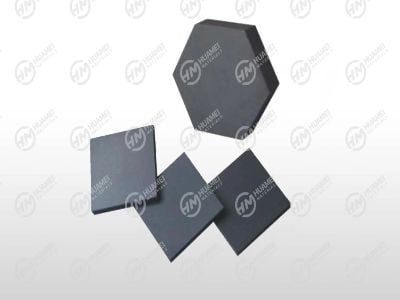
Silicon carbide plates are increasingly recognized for their role in enhancing the efficiency of high-temperature kilns. As a critical component in various industrial applications, these plates offer substantial benefits in terms of performance and durability. This article aims to address the main concerns of B2B buyers, such as material selection, application suitability, and performance evaluation, providing insights to help you make informed purchasing decisions.
How Silicon Carbide Plates Enhance High-Temperature Kiln Efficiency?
Silicon carbide (SiC) plates are designed to withstand extreme temperatures and harsh environments, making them ideal for high-temperature kilns used in manufacturing processes such as ceramics, glass and metal production. Their high thermal conductivity allows for efficient heat distribution, reducing energy consumption and improving overall kiln performance. One of the key advantages of silicon carbide powder plates is their resistance to thermal shock, which minimizes the risk of cracking or breaking during rapid temperature changes. This durability translates into longer service life and reduced maintenance costs, which are critical factors for manufacturers looking to optimize their operations. Additionally, the use of SiC plates can lead to more consistent firing results, enhancing product quality and reducing scrap rates.
Choosing the Right Silicon Carbide Plates for Your Industrial Needs
Selecting the appropriate silicon carbide plates requires a thorough understanding of your specific application and operational requirements. Factors such as the kiln temperature, material being processed, and desired thermal efficiency should all be considered. When evaluating silicon carbide plates, pay attention to their dimensions, thickness, and surface finish. Thicker plates may offer better thermal insulation, while precision-engineered surfaces can improve contact with kiln elements, enhancing heat transfer. Additionally, consider the plate's shape and compatibility with existing kiln designs to ensure seamless integration. Customized solutions are often available, so be prepared to discuss your specific needs with manufacturers. Collaborating with a supplier like Shandong Huamei New Material Technology Co., Ltd., which specializes in RBSIC/SISIC ceramics, can help you identify the optimal specifications for your high-temperature kiln application.
Quality Factors and Performance
The performance of silicon carbide plates is largely influenced by their manufacturing quality. Key quality factors include the purity of the raw materials, the precision of the manufacturing process, and adherence to quality control standards. Each of these factors plays a crucial role in determining the mechanical strength, thermal stability, and overall reliability of the plates. To ensure high quality, look for suppliers that implement rigorous quality control processes, including testing for thermal shock resistance, flexural strength, and surface integrity. Ask about certifications or standards that the manufacturer adheres to, as these can provide assurance of product quality. Furthermore, consider the importance of a manufacturer's experience and expertise in producing silicon carbide products. A company with a robust patent portfolio and a history of innovation, like Shandong Huamei, is likely to provide reliable and high-performance solutions.
Common Problems with Kilns and Solutions Using Silicon Carbide Plates
High-temperature kilns often face several operational challenges, such as uneven heating, thermal cycling stress, and wear from aggressive materials. These issues can lead to increased energy usage and a higher likelihood of equipment failure. Silicon carbide plates address these challenges effectively. Their thermal stability and resistance to wear can significantly reduce the occurrence of damage and prolong the lifespan of kiln components. For example, using SiC plates can help distribute heat more evenly throughout the kiln chamber, minimizing hot spots and ensuring a more uniform firing process. Moreover, the lightweight nature of silicon carbide refractory plates can lead to reduced energy consumption in kiln operations. By decreasing the overall mass of kiln components, manufacturers can achieve faster heating times and lower energy costs, which are pivotal in improving operational efficiency.
Evaluating the Quality of Silicon Carbide Plates for Your Projects
When evaluating silicon carbide plates for your projects, a few critical aspects should be taken into account. First, request samples to assess the physical properties, such as density, hardness, and thermal conductivity. This practical evaluation can help determine if the plates meet the specific demands of your application. Additionally, inquire about the manufacturer's production capabilities and quality assurance processes. Understanding their approach to customization and how they manage production runs can provide insight into their ability to meet your project timelines and specifications.
Finally, consider the supplier's track record in the industry. A reputable manufacturer will have a history of successful partnerships with other businesses in your field, providing confidence in their ability to deliver high-quality silicon carbide powder price plates that align with your operational goals. In summary, silicon carbide plates are integral to enhancing the efficiency of high-temperature kilns. By understanding the factors that influence their performance and quality, buyers can make informed decisions that lead to improved production outcomes.
Table of Contents
- How Silicon Carbide Plates Enhance High-Temperature Kiln Efficiency?
- Choosing the Right Silicon Carbide Plates for Your Industrial Needs
- Quality Factors and Performance
- Common Problems with Kilns and Solutions Using Silicon Carbide Plates
- Evaluating the Quality of Silicon Carbide Plates for Your Projects