
 EN
EN



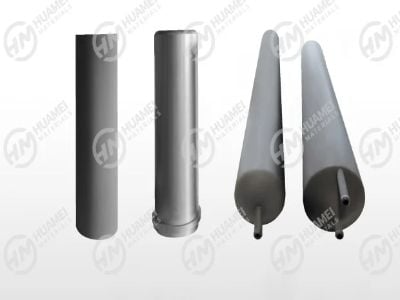
Silicon carbide bulletproof sheets represent a cutting-edge solution in the realm of lightweight armor, offering maximum protection against ballistic threats. As a B2B buyer, understanding the intricacies of sourcing, pricing, and installation of these advanced materials is crucial for making informed purchasing decisions. This article will address your key concerns regarding the sourcing of reliable suppliers, pricing strategies, comparisons with traditional materials, installation processes, and the inherent advantages of using silicon carbide in security applications.
Where to Source Reliable Suppliers for Silicon Carbide Armor?
When looking for reliable suppliers of silicon carbide bulletproof sheets, it's essential to consider manufacturers with proven expertise in advanced ceramic materials. Shandong Huamei New Material Technology Co., Ltd. stands out as a reputable source, leveraging advanced German technology to produce high-quality RBSIC/SISIC ceramics. When evaluating potential suppliers, check for their manufacturing capabilities, certifications, and track record in producing ballistic-resistant materials.
Additionally, attending industry trade shows, such as the International Armoured Vehicles event, can provide insights into various manufacturers and their offerings. Networking with industry professionals can also lead to recommendations for trustworthy suppliers. When contacting suppliers, ensure they can provide detailed product specifications, customization options, and insights into their quality control processes.
Wholesale Pricing Strategies for Silicon Carbide Bulletproof Sheets
Pricing for silicon carbide bulletproof sheets can vary significantly based on multiple factors, including material quality, manufacturing processes, and order volume. To negotiate favorable wholesale pricing, buyers should consider the following strategies:
Establish Volume Commitments: Suppliers often offer discounts for bulk orders. Determine your projected needs and negotiate pricing based on these volumes.
Compare Specifications: Ensure that you’re comparing like-for-like products. Variations in thickness, density, and manufacturing techniques can affect pricing. For instance, higher density silicon carbide powder materials may cost more upfront but offer better protection and durability.
Request Quotes from Multiple Suppliers: Obtain quotes from various manufacturers to gauge the market rate. This will not only help you find competitive pricing but also provide leverage during negotiations.
Leverage Long-Term Relationships: Consider establishing long-term partnerships with suppliers. Consistent orders can lead to better pricing, improved service, and priority in production schedules.
By employing these strategies, buyers can effectively manage their costs while ensuring they acquire high-quality silicon carbide armor.
Comparing Silicon Carbide Armor to Traditional Bulletproof Materials
When evaluating silicon carbide armor against traditional bulletproof materials, such as Kevlar or steel, it's important to consider performance, weight, and cost-effectiveness.
Weight and Mobility: Silicon carbide bulletproof sheets are significantly lighter than steel plates, making them ideal for applications where mobility is essential. This lightweight characteristic can enhance the performance of protective gear without compromising safety.
Ballistic Performance: Silicon carbide exhibits excellent ballistic resistance, often outperforming traditional materials in terms of energy absorption and penetration resistance. This makes it suitable for high-stakes environments, including military and law enforcement applications.
Durability and Maintenance: Silicon carbide is resistant to environmental factors such as moisture and corrosion, which can affect the longevity of traditional materials. This durability translates to lower maintenance costs over time.
Cost Considerations: While silicon carbide refractory armor may have a higher initial cost compared to traditional materials, its superior performance and longevity can lead to greater overall value. Buyers should assess the total cost of ownership, including maintenance and replacement cycles, when making decisions.
Understanding these differences enables buyers to select the most appropriate material for their specific security needs.
Understanding the Installation Process for Bulletproof Sheets
The installation of silicon carbide bulletproof sheets requires careful planning and execution to ensure maximum effectiveness. Here are key steps to consider during the installation process:
Preparation of the Surface: Ensure that the surface where the bulletproof sheets will be installed is clean, dry, and structurally sound. Any irregularities can affect the fit and performance of the sheets.
Custom Fitting: Depending on the application, buyers may need to customize the dimensions of the bulletproof sheets. Working closely with the manufacturer to provide precise measurements is crucial for achieving a proper fit.
Adhesive Selection: The choice of adhesive is vital for ensuring the sheets are securely attached. Consult with the supplier for recommendations on suitable adhesives that can withstand environmental conditions and maintain their integrity over time.
Quality Inspection: Before finalizing the installation, conduct a thorough inspection of the sheets to confirm they meet the required specifications. This includes checking for any visible defects or inconsistencies.
Testing Under Real Conditions: If possible, conduct tests to ensure the installation is effective under operational conditions. This can help identify any potential issues before the sheets are put into active use.
By following these steps, buyers can ensure a successful installation that maximizes the protective capabilities of silicon carbide bulletproof sheets.
Advantages of Using Silicon Carbide in Security Applications
Silicon carbide offers several advantages that make it an ideal choice for security applications, particularly in ballistic protection:
Exceptional Hardness: Silicon carbide is one of the hardest materials available, providing superior resistance to penetration. This hardness is critical in environments where ballistic threats are prevalent.
Lightweight Design: The lightweight nature of silicon carbide allows for easier handling and transportation, which can enhance the overall effectiveness of protective gear.
Thermal Stability: Silicon carbide can withstand high temperatures without degrading, making it suitable for use in extreme conditions. This thermal stability is essential for applications in military and industrial settings.
Versatility: The material can be manufactured in various shapes and sizes, allowing for customization based on specific application needs. This flexibility is beneficial for creating tailored solutions for different security requirements.
Cost Efficiency: While the initial investment may be higher, the long-term benefits, including reduced maintenance and replacement costs, can lead to overall savings. This cost efficiency makes silicon carbide refractory a practical choice for organizations looking to enhance their protective measures.
In summary, silicon carbide bulletproof sheets not only provide superior protection but also deliver operational advantages that make them a valuable investment for security applications. Understanding these benefits can help buyers make informed decisions when selecting materials for their protective needs.
Table of Contents
- Where to Source Reliable Suppliers for Silicon Carbide Armor?
- Wholesale Pricing Strategies for Silicon Carbide Bulletproof Sheets
- Comparing Silicon Carbide Armor to Traditional Bulletproof Materials
- Understanding the Installation Process for Bulletproof Sheets
- Advantages of Using Silicon Carbide in Security Applications