
 EN
EN



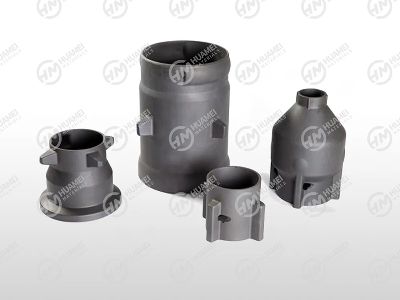
RBSiC/SiSiC components are becoming increasingly vital in the new energy sector, particularly in battery production. As manufacturing processes evolve, the demand for high-performance materials that can withstand extreme conditions is paramount. For B2B buyers, understanding the quality, installation challenges, applications, and technical advantages of RBSiC/SiSiC materials is essential for making informed purchasing decisions. This article will explore these key aspects to help purchasing managers, engineers and product managers effectively evaluate and select the right components for their specific needs.
Evaluating the Quality of RBSiC/SiSiC Materials for Battery Manufacturing
When assessing RBSiC/SiSiC materials for battery manufacturing, several factors must be considered to ensure quality. First, buyers should evaluate the material's purity level, as impurities can significantly impact performance, particularly in high-temperature environments. The microstructure of the material is also crucial; a fine grain structure often results in better mechanical properties and thermal conductivity, which are essential for effective battery performance. Moreover, it's important to examine the manufacturing process. Shandong Huamei New Material Technology Co., Ltd. utilizes advanced German technology to produce b4c boron carbide ceramics, which can enhance reliability and consistency. Buyers should request detailed specifications, including density, porosity, and thermal shock resistance, to ensure the materials meet their operational requirements. Quality control processes, such as rigorous testing and validation of samples, should be confirmed before placing large orders to mitigate risks associated with defective products.
Common Installation Challenges with RBSiC/SiSiC Components and Solutions
Installing RBSiC/SiSiC components can present several challenges, primarily due to their hardness and brittleness. These materials require specialized handling and installation techniques to prevent damage. One common issue is misalignment during installation, which can lead to performance failures. To address this, it’s advisable to use precision alignment tools and jigs during the installation process to ensure proper fit. Another challenge is the potential for thermal expansion mismatch between RBSiC/SiSiC components and other materials in the assembly. This can result in stress during operation, leading to cracks or failures. To mitigate this, engineers should consider the thermal expansion coefficients of all materials involved and design assemblies that accommodate these differences. Finally, buyers should ensure that their installation teams are trained in the specific requirements of handling RBSiC/SiSiC components. Providing comprehensive training on the unique properties of these materials can significantly reduce the risk of installation errors.
Applications of RBSiC/SiSiC in New Energy and Battery Production
RBSiC/SiSiC materials are widely used in various applications within the new energy and battery production sectors. Their excellent thermal stability and mechanical strength make them ideal for components such as battery casings, heat exchangers, and insulating materials. In battery production, RBSiC/SiSiC materials are particularly valuable in high-performance lithium-ion batteries, where they can be used as separators or protection layers. These components enhance the overall safety and efficiency of the silicon carbide rollers for lithium battery kilns by providing superior thermal management and electrical insulation. Additionally, these materials are suitable for use in applications that involve high-temperature processing, such as sintering or thermal treatment of battery materials. Their ability to withstand extreme temperatures without degrading ensures that they can maintain performance over extended periods, making them a reliable choice for manufacturers aiming for longevity in their products.
Which Material Suits Your Needs?
Selecting the appropriate material for your specific battery production requirements is critical. RBSiC/SiSiC materials offer unique advantages, but the choice between them may depend on the specific application and operational conditions. RBSiC (Reactive Bonded Silicon Carbide) is often preferred for applications requiring high thermal conductivity and wear resistance, while SiSiC (Siliconized Silicon Carbide) may be better suited for environments where corrosion resistance is paramount. Buyers should consider the operating temperature range, exposure to chemicals, and mechanical stress when choosing between RBSiC and SiSiC. Additionally, it’s essential to evaluate the manufacturing process of the chosen material; understanding how it will be produced and finished can impact its performance in application. Consulting with experienced manufacturers like Shandong Huamei New Material Technology can provide valuable insights into which material best meets your needs.
Technical Advantages of RBSiC/SiSiC Components in Energy Applications
RBSiC/SiSiC components offer several technical advantages that make them ideal for energy applications, particularly in battery production. One key advantage is their exceptional thermal conductivity, which helps in efficient heat dissipation during battery operation. This property is critical for maintaining optimal performance and extending battery life. Moreover, these materials exhibit outstanding wear resistance, making them suitable for repetitive motion applications and environments with high abrasion. Their low thermal expansion coefficient ensures dimensional stability under varying temperatures, reducing the risk of mechanical failure. Another significant benefit is their chemical resistance. RBSiC/SiSiC materials can withstand corrosive environments, which is particularly important in sic beams for lithium battery kilns manufacturing processes involving aggressive chemicals. This resilience not only enhances the durability of the components but also improves overall safety. Lastly, the ability to customize RBSiC/SiSiC components to specific dimensions and performance requirements adds to their appeal. Manufacturers can tailor products to fit unique operational needs, ensuring optimal compatibility and performance in energy applications. By understanding these technical advantages, B2B buyers can make more informed decisions when selecting RBSiC/SiSiC components for their battery production processes, ultimately leading to more reliable and efficient energy solutions.
Table of Contents
- Evaluating the Quality of RBSiC/SiSiC Materials for Battery Manufacturing
- Common Installation Challenges with RBSiC/SiSiC Components and Solutions
- Applications of RBSiC/SiSiC in New Energy and Battery Production
- Which Material Suits Your Needs?
- Technical Advantages of RBSiC/SiSiC Components in Energy Applications