
 EN
EN



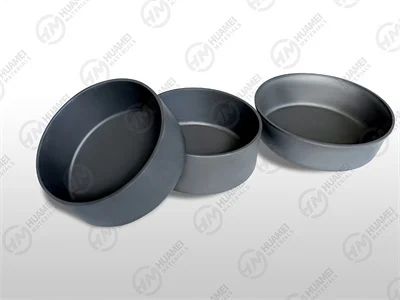
Silicon carbide crucibles play a crucial role in modern metallurgy, providing high thermal resistance and excellent chemical stability for various metal melting applications. As a B2B buyer, understanding the nuances of selecting the right crucible is essential, as it directly impacts production efficiency and material quality. This article aims to help you navigate the complexities of silicon carbide crucibles, focusing on key specifications, supplier reliability, cost factors and common issues, ensuring you make informed purchasing decisions.
How to Choose the Right Silicon Carbide Crucibles for Your Needs?
Selecting the appropriate silicon carbide crucible hinges on understanding your specific application requirements. Crucibles vary in material composition, size, and thermal properties, which can significantly influence their performance during the melting process. Consider the following factors:
Material Composition: silicon carbide powder price (SiC) comes in different grades, such as RBSIC (Recrystallized Silicon Carbide) and SISIC (Silicon Infiltrated Silicon Carbide). Each variant has unique properties tailored to different melting applications. RBSIC is known for its high purity and thermal shock resistance, making it suitable for high-temperature applications, while SISIC offers greater strength and corrosion resistance.
Size and Shape: Crucibles are available in various sizes and shapes to accommodate different melting volumes and furnace types. Ensure the crucible dimensions align with your furnace specifications to avoid operational issues.
Thermal Conductivity: The thermal conductivity of the crucible material affects heat distribution and melting efficiency. A higher thermal conductivity can lead to faster melting times and energy savings.
Application Compatibility: Consider the types of metals or alloys you plan to melt, as some crucibles may react chemically with specific materials. It’s essential to consult with your supplier about compatibility to avoid contamination or damage.
By carefully evaluating these factors, you can select the right crucible that meets your operational needs and enhances your production process.
Key Specifications of Silicon Carbide Crucibles for Optimal Performance
Understanding the key specifications of silicon carbide crucibles is vital for ensuring optimal performance in various applications. Here are some critical specifications to consider:
Thermal Shock Resistance: This specification measures a material's ability to withstand sudden temperature changes without cracking. Crucibles with high thermal shock resistance are essential for processes that involve rapid heating and cooling.
Density and Porosity: The density of the crucible affects its mechanical strength and thermal conductivity. Low porosity is crucial as it prevents the absorption of molten metal, which can lead to contamination. Look for crucibles with a density of at least 2.5 g/cm³ for better performance.
Maximum Operating Temperature: Each silicon carbide powder crucible has a maximum operating temperature, typically ranging from 1400°C to 1600°C. Ensure that the crucible you select can withstand the temperatures required for your specific melting processes.
Chemical Resistance: Evaluate the chemical resistance of the crucible against the materials you will be melting. High-quality silicon carbide crucibles are resistant to oxidation and thermal breakdown, ensuring longevity during use.
Mechanical Strength: The ability of the crucible to withstand mechanical stress during handling and operation is critical. Look for specifications that indicate high flexural strength and load-bearing capacity.
By focusing on these specifications, you can ensure that the silicon carbide crucibles you choose will perform reliably in your metallurgical processes.
Finding Reliable Suppliers of Silicon Carbide Crucibles
When sourcing silicon carbide crucibles, choosing a reliable supplier is paramount. Here are some steps to help you find the right partner:
Reputation and Experience: Look for established manufacturers like Shandong Huamei New Material Technology Co., Ltd., which specializes in RBSIC/SISIC ceramics. Suppliers with extensive industry experience often have a proven track record of quality and service.
Certifications and Quality Control: Ensure that the supplier adheres to strict quality control processes and holds relevant industry certifications. This can include ISO certifications or other quality assurance standards that demonstrate their commitment to producing high-quality products.
Customization Capabilities: Depending on your specific needs, consider suppliers that offer customization options for crucible sizes and shapes. This flexibility can be beneficial for unique applications or specialized melting processes.
Customer Support: Reliable suppliers should provide excellent customer support, including technical advice and assistance with product selection. Ensure they are responsive to inquiries and willing to provide detailed product information.
Market Reach: Evaluate the supplier's ability to serve your market, whether local or international. Suppliers with a robust distribution network can help ensure timely delivery and availability of products.
By focusing on these criteria, you can find a trustworthy supplier of silicon carbide refractory crucibles that meets your operational needs.
Cost Factors to Consider When Purchasing Silicon Carbide Crucibles
The cost of silicon carbide crucibles can vary significantly based on several factors. Understanding these factors will help you manage your budget effectively:
Material Quality: Higher quality silicon carbide materials, such as RBSIC and SISIC, typically come with a higher price tag. However, investing in quality can lead to longer-lasting crucibles and reduced operational issues.
Size and Specifications: Larger crucibles and those with specialized specifications often come at a premium. Assess your melting requirements to determine the appropriate size and configuration for your needs.
Production Volume: Suppliers may offer bulk purchasing discounts. If you require a significant quantity of crucibles, inquire about pricing tiers for larger orders.
Customization Costs: Customization may involve additional costs. Ensure that you understand any extra charges that may apply for tailored solutions.
Shipping and Handling: Consider shipping costs, especially if sourcing from international suppliers. Ensure that you factor in these costs when evaluating your total expenditure.
By taking these factors into account, you can make informed purchasing decisions that align with your budget while ensuring quality and performance.
Common Problems with Silicon Carbide Crucibles and Their Solutions
While silicon carbide crucibles are designed for durability, buyers should be aware of potential problems that may arise during use. Here are common issues and their solutions:
Thermal Cracking: This can occur if the crucible is subjected to rapid temperature changes. To mitigate this, gradually heat the crucible to avoid thermal shock, and consider using a crucible with high thermal shock resistance.
Chemical Reaction with Molten Metal: Some crucibles may react with certain metals, leading to contamination. Always verify the chemical compatibility of the crucible material with the metals being melted to prevent adverse reactions.
Wear and Tear: Over time, crucibles can wear down due to constant exposure to high temperatures and molten metals. Regularly inspect crucibles for signs of wear, and replace them as needed to maintain production quality.
Inadequate Size: Using a crucible that is too small can lead to overflow during the melting process. Ensure that the crucible size is appropriate for the volume of metal being melted to avoid this issue.
Handling Damage: Improper handling can lead to cracks or chips. Train staff on proper handling techniques and consider using protective packaging during transportation to minimize the risk of damage.
By being aware of these common problems and implementing the suggested solutions you can maximize the lifespan and performance of your silicon carbide crucibles in metallurgical applications.
Table of Contents
- How to Choose the Right Silicon Carbide Crucibles for Your Needs?
- Key Specifications of Silicon Carbide Crucibles for Optimal Performance
- Finding Reliable Suppliers of Silicon Carbide Crucibles
- Cost Factors to Consider When Purchasing Silicon Carbide Crucibles
- Common Problems with Silicon Carbide Crucibles and Their Solutions