
 EN
EN



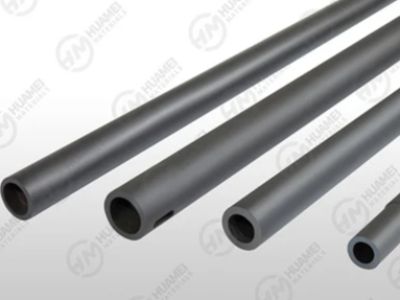
Advanced RBSiC/SiSiC components are engineered for exceptional wear and corrosion resistance, making them essential in various industrial applications. B2B buyers often prioritize product durability, reliability, and performance when sourcing these components. This article will provide insights into the characteristics, specifications, sourcing options, common issues, and applications of RBSiC/ SiSiC green silicon carbide SiC carborundum powder products, helping professionals make informed purchasing decisions.
Understanding RBSiC/SiSiC Components for Wear and Corrosion Resistance
RBSiC (Reaction Bonded Silicon Carbide) and SiSiC (Silicon-Infiltrated Silicon Carbide) are advanced ceramic materials known for their outstanding mechanical and thermal properties. These materials are particularly recognized for their wear resistance, high hardness, and low thermal expansion, making them ideal candidates for applications in harsh environments.
The unique manufacturing processes, including reaction bonding and infiltration, enhance the material's strength and toughness, enabling it to withstand extreme conditions such as high temperatures and corrosive environments. For B2B buyers, understanding the composition and manufacturing methods is crucial to evaluate the suitability of these materials for specific applications, ensuring they meet their performance requirements.
Key Specifications for RBSiC/SiSiC Products
When evaluating RBSiC/SiSiC components, buyers should consider several key specifications:
Density: Higher density typically indicates improved mechanical strength and wear resistance. Buyers should confirm the density specifications based on their application needs, as this directly influences durability.
Hardness: Measured on the Mohs scale, hardness is critical for applications requiring abrasion resistance. sisic spiral nozzle often exceed 9 on the Mohs scale, making them suitable for wear-intensive applications.
Thermal Conductivity: This specification affects how well the material can dissipate heat. RBSiC generally offers superior thermal conductivity, beneficial in high-temperature environments.
Chemical Resistance: Evaluate the material's resistance to specific chemicals it may encounter in its intended application. RBSiC and SiSiC are often resistant to a wide range of acids and alkalis.
Custom Dimensions: Customization is often necessary to meet specific design requirements. Buyers should discuss dimensional tolerances and customization capabilities with suppliers to ensure compatibility with their systems.
Understanding these specifications allows buyers to assess whether the RBSiC/SiSiC components align with their operational needs.
Where to Source Reliable RBSiC/SiSiC Suppliers for Bulk Orders
Identifying trustworthy suppliers for RBSiC/SiSiC components is critical for ensuring consistent quality and performance. Potential buyers should consider the following strategies:
Industry Networks: Engaging with industry networks or trade associations can provide leads on reputable manufacturers. Networking at industry events can also offer insights into supplier reliability and product performance.
Certification and Quality Standards: Look for suppliers who adhere to recognized quality management systems, such as ISO certifications. This ensures that the manufacturing processes meet international quality standards.
Request Samples: Before committing to bulk orders, request samples to evaluate the material properties and performance. This practical step helps to identify any discrepancies in specifications or quality.
Reviews and References: Seek feedback from existing customers to gauge supplier reliability. Testimonials and case studies can provide insights into the supplier’s experience and product satisfaction levels.
By carefully selecting suppliers based on these criteria, buyers can establish long-term partnerships that meet their operational needs.
Common Problems with RBSiC/SiSiC and Effective Solutions
Despite their superior properties, RBSiC and SiSiC components may present challenges during procurement and use. Here are some common issues and effective solutions:
Cracking During Manufacturing: Improper handling or thermal shock during the processing of RBSiC/SiSiC can lead to cracking. To mitigate this, ensure that the manufacturing process includes strict quality control measures and that suppliers provide detailed handling instructions.
Inconsistent Quality: Variability in material properties can arise from differences in manufacturing processes or raw materials. Buyers should insist on thorough quality inspections and standardized testing protocols to confirm material consistency.
Compatibility Issues: RBSiC/SiSiC may not be suitable for all applications, particularly those involving certain corrosive environments or extreme pressures. Conducting a comprehensive material compatibility analysis prior to application can prevent performance failures.
Lead Time Delays: Bulk orders may face unexpected delays due to production backlogs or supply chain issues. To mitigate this, maintain open communication with suppliers regarding lead times and potential bottlenecks, and consider placing orders well in advance.
Understanding these challenges and their solutions prepares buyers for potential obstacles in the procurement process.
Applications of RBSiC/SiSiC Components in Various Industries
RBSiC/SiSiC components are utilized across multiple industries, thanks to their unique properties. Some key applications include:
Aerospace: RBSiC components are used in aerospace applications where lightweight and high-strength materials are required, such as in turbine components and thermal protection systems.
Chemical Processing: The excellent chemical resistance of RBSiC/SiSiC makes these materials suitable for liners, valves, and pumps in chemical processing plants, preventing corrosion and extending service life.
Semiconductor Manufacturing: In semiconductor production, sisic beam parts are employed in high-temperature processes where precision and durability are critical.
Automotive Applications: RBSiC is used in automotive brake systems and components subjected to high wear and thermal stress, ensuring reliability and performance.
Energy Sector: The energy industry utilizes RBSiC/SiSiC in applications like turbine seals and components in geothermal and nuclear power plants, where resistance to extreme conditions is essential.
By understanding the diverse applications of RBSiC/SiSiC components, buyers can identify opportunities for integration into their operations, enhancing efficiency and product performance.
selecting advanced RBSiC/SiSiC components for wear and corrosion resistance involves a thorough understanding of their specifications, sourcing reliable suppliers, and recognizing potential challenges. By leveraging this knowledge, B2B buyers can make informed decisions that enhance their operational capabilities and product quality.