
 EN
EN



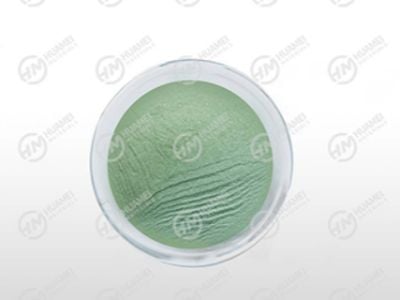
RBSiC (Recrystallized Silicon Carbide) and SiSiC (Silicon Infiltrated Silicon Carbide) components are increasingly recognized for their role in energy-saving kiln furniture, playing a critical part in various industrial applications. As buyers in manufacturing and engineering sectors seek reliable and efficient materials, understanding the specifications, purchasing guidelines, and quality evaluations of RBSiC/sisic beam components is essential. This article aims to provide B2B professionals with a thorough understanding of these materials, empowering them to make informed purchasing decisions.
Key Specifications to Consider for RBSiC/SiSiC Products
When evaluating RBSiC/SiSiC components, there are several key specifications buyers should consider:
Material Composition: The purity and structure of silicon carbide influence thermal conductivity, mechanical strength, and resistance to thermal shock. RBSiC typically offers better thermal and corrosion resistance than traditional materials, making it suitable for high-temperature applications.
Dimensions and Tolerances: Precision in dimensions is crucial for kiln furniture to ensure proper fit and function in high-stress environments. Buyers should specify tolerances that align with their production needs to avoid issues during installation.
Thermal Properties: Understanding the thermal conductivity and expansion characteristics of RBSiC/Silicon carbide (SiC) beams is vital. These properties determine how the material will behave under operational temperatures, impacting both performance and longevity.
Surface Finish: The finish of the components affects their performance and durability. A smooth surface can help reduce friction and wear, enhancing operational efficiency.
Load-Bearing Capacity: Since kiln furniture must endure substantial weight and thermal stress, evaluating the load-bearing capabilities of the material is essential for ensuring that it can withstand operational demands without failure.
By focusing on these specifications, buyers can better assess which RBSiC/SiSiC components align with their specific application requirements.
Wholesale Purchasing Guide for RBSiC/SiSiC Kiln Furniture
When purchasing RBSiC/SiSiC kiln furniture in bulk, a strategic approach is essential to ensure quality and cost-effectiveness:
Define Your Needs: Clearly outline the specifications required for your application, including dimensions, load requirements, and thermal properties. This will help suppliers provide accurate quotations.
Request Samples: Before placing a large order, request samples to verify the product's quality and performance under operational conditions. Evaluating samples can prevent costly mistakes during mass production.
Minimum Order Quantity (MOQ): Understand the supplier's MOQ and ensure it aligns with your project needs. Some suppliers may offer flexibility on MOQ for first-time buyers or larger contracts.
Negotiation and Pricing: Engage in discussions about pricing, especially if purchasing a large volume. Suppliers may offer discounts for bulk orders or long-term contracts.
Delivery and Lead Time: Discuss timelines for delivery and consider the supplier’s ability to meet deadlines. Lead times can vary based on production capacity and location.
By following these guidelines, buyers can navigate the complexities of wholesale purchasing effectively, ensuring a smooth procurement process.
Evaluating Quality and Reliability of RBSiC/SiSiC Components
Quality assurance is vital when sourcing RBSiC/SiSiC components. Here are essential factors to consider:
Certifications and Standards: Verify if the supplier meets industry standards or holds relevant certifications that demonstrate their commitment to quality. This can provide assurance regarding the material's reliability and performance.
Quality Control Processes: Inquire about the manufacturer’s quality control measures during production. Effective quality control helps identify defects and ensures consistent product performance.
Technical Documentation: Request comprehensive technical data sheets that outline the specifications, material properties, and testing results. This information is essential for assessing whether the components meet your operational requirements.
Past Performance and References: Assess the supplier's track record by asking for case studies or references from previous clients. This can give insights into their reliability and product performance in similar applications.
Warranty and Support: Understand the warranty terms and the support offered by the supplier in case of product issues. This can mitigate risks associated with product failure.
By thoroughly evaluating these aspects, buyers can minimize risks and ensure they are sourcing high-quality RBSiC/SiSiC components.
How to Source Trusted Suppliers for RBSiC/SiSiC Materials?
Finding reliable suppliers for RBSiC/SiSiC materials is crucial for maintaining consistent quality and performance. Here are steps to effectively source trusted suppliers:
Industry Research: Conduct thorough research to identify reputable manufacturers with a strong presence in the RBSiC/ SiSiC green silicon carbide SiC carborundum powder market. Look for companies with extensive experience and positive customer reviews.
Networking: Leverage industry connections, trade shows, and forums to gather recommendations and insights about potential suppliers. Networking can lead to valuable contacts and firsthand experiences shared by other professionals.
Supplier Audits: Perform audits or site visits if possible. Understanding the manufacturing processes and capabilities firsthand can help gauge the supplier's reliability and quality standards.
Request Proposals: Reach out to multiple suppliers with a detailed request for proposal (RFP) that includes your specifications, quantities, and timelines. This will allow you to compare offerings and select the best fit.
Trial Orders: Consider placing trial orders with a couple of suppliers to evaluate their products and responsiveness. This can help in deciding which supplier meets your quality and service expectations.
By following these steps, buyers can build a reliable network of suppliers for RBSiC/SiSiC materials, ensuring a stable supply chain.
Understanding the Cost Factors of RBSiC/SiSiC Components
The cost of RBSiC/SiSiC components can vary widely based on several factors. Here’s what to consider:
Material Quality: The purity and manufacturing process of RBSiC/SiSiC directly affect cost. Higher-quality materials tend to command higher prices due to enhanced performance characteristics.
Production Techniques: Advanced manufacturing techniques that improve precision and performance may increase production costs. However, they often lead to longer-lasting products and reduced maintenance needs.
Customization Requirements: If specific customizations are needed, such as unique dimensions or properties, these can influence the overall cost. Custom orders often require specialized production processes, which may incur additional costs.
Quantity Ordered: Bulk purchases typically reduce the per-unit cost. However, buyers should balance the benefits of bulk pricing against storage and inventory considerations.
Shipping and Handling: Consider the logistics costs associated with transporting RBSiC/SiSiC components. Shipping distances, methods, and packaging can all influence the final price.
By understanding these cost factors, buyers can better evaluate pricing and make informed procurement decisions that align with their budgets and operational needs.