
 EN
EN



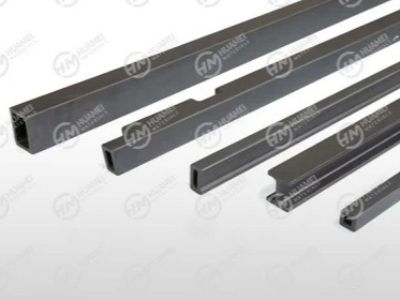
High-performance RBSiC/SiSiC components are essential for the semiconductor industry, providing durability and efficiency in various applications. Buyers often seek reliable suppliers, specific material properties, and installation guidance to ensure optimal performance. This article aims to address key concerns regarding the selection, sourcing, application, and installation of RBSiC/sisic beam components, helping you make informed purchasing decisions.
How to Choose the Right RBSiC/SiSiC Components for Your Project?
Selecting the appropriate RBSiC (Recrystallized Silicon Carbide) or SiSiC (Silicon-infiltrated Silicon Carbide) components involves understanding specific project requirements. Begin by evaluating the thermal and mechanical properties needed for your application. RBSiC components offer superior thermal shock resistance and strength, making them ideal for high-temperature environments. In contrast, SiSiC components provide excellent wear resistance, suitable for applications with high friction.
Key specifications to consider include the dimensions, surface finish, and tolerances. Ensure that the components meet the necessary standards for reliability and performance in your specific application. Collaborating with manufacturers like Shandong Huamei New Material Technology Co., Ltd., which specializes in high-precision processing and offers a full silicon carbide chain, can provide valuable insights into material selection and customization options that fit your project needs.
Where to Source Reliable RBSiC/SiSiC Suppliers for Your Operations?
Finding reliable suppliers for RBSiC/SiSiC components is critical to ensuring quality and timely delivery. Start by researching manufacturers known for their expertise in silicon carbide products. Look for companies with a proven track record in the semiconductor industry and a portfolio demonstrating successful projects.
Consider suppliers that offer transparency in their manufacturing processes, including quality control measures and certifications. It’s beneficial to request samples to evaluate the quality and performance of their products. Establishing communication with the supplier can help clarify customization options, pricing, and lead times. Shandong Huamei, with 110 patents and advanced German technology, exemplifies a manufacturer that can provide high-performance components tailored to specific operational requirements.
Applications of RBSiC/SiSiC Components in the Semiconductor Industry
RBSiC and SiSiC components are essential in the semiconductor industry, utilized in various applications, including furnace components, heat exchangers, and insulators. Their high thermal conductivity and resistance to thermal shock make them ideal for environments where rapid temperature changes occur.
In semiconductor manufacturing, these materials are often used in processes involving high temperatures, such as during the sintering of silicon wafers. Their durability reduces the need for frequent replacements, ultimately lowering operational costs. Additionally, RBSiC and sic product are employed in equipment like ion implantation machines and chemical vapor deposition reactors, where their resistance to chemical corrosion is advantageous.
Understanding the specific application requirements, such as operating temperatures and chemical exposure, will help in selecting the right components. Always consult with manufacturers to ensure that the components meet the operational demands of your specific processes.
Installation Guidance for RBSiC/SiSiC Components in Your Facility
Proper installation of RBSiC/SiSiC components is critical to achieving optimal performance and longevity. Before installation, it is essential to review the manufacturer's guidelines and specifications. Ensure that any required supporting structures are compatible with the dimensions and weight of the components.
When installing these components, pay close attention to alignment and securing mechanisms. Misalignment can lead to stress concentrations, potentially resulting in premature failure. Additionally, consider the thermal expansion properties of RBSiC and SiSiC; allowing for adequate spacing can prevent damage due to thermal expansion.
Conducting a thorough inspection prior to installation, including checking for any surface defects or irregularities, is advisable. This step helps prevent issues during operation. If unsure about installation practices, consulting with a technical representative from the supplier can provide valuable insights.
Understanding the Material Advantages of RBSiC/SiSiC Products
RBSiC and SiSiC materials offer several advantages that make them suitable for demanding applications in the semiconductor industry. These materials possess exceptional mechanical strength and hardness, which contribute to their durability under extreme conditions.
RBSiC components are known for their high thermal stability, allowing them to maintain structural integrity at elevated temperatures, while SiSiC components excel in wear resistance and lower thermal expansion rates. This combination of properties makes them ideal for high-performance applications, reducing the risk of component failure.
Additionally, both materials exhibit excellent chemical resistance, which is crucial in environments exposed to aggressive chemicals. When selecting RBSiC/ SiSiC green silicon carbide SiC carborundum powder, it’s important to discuss specific application conditions with your supplier to ensure that the chosen material structure aligns with operational requirements.
In summary, understanding the unique advantages of RBSiC and SiSiC components can significantly impact your project’s success. By carefully evaluating your project needs and collaborating with experienced suppliers, you can ensure that you select the right materials for your semiconductor applications.
Table of Contents
- How to Choose the Right RBSiC/SiSiC Components for Your Project?
- Where to Source Reliable RBSiC/SiSiC Suppliers for Your Operations?
- Applications of RBSiC/SiSiC Components in the Semiconductor Industry
- Installation Guidance for RBSiC/SiSiC Components in Your Facility
- Understanding the Material Advantages of RBSiC/SiSiC Products