EN
EN




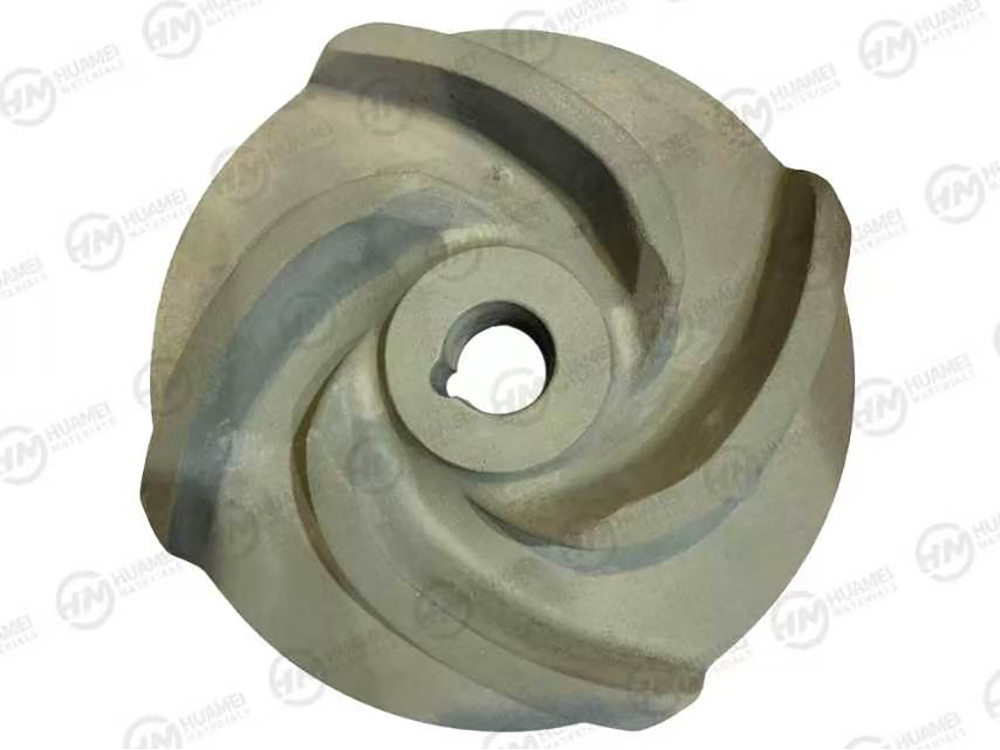
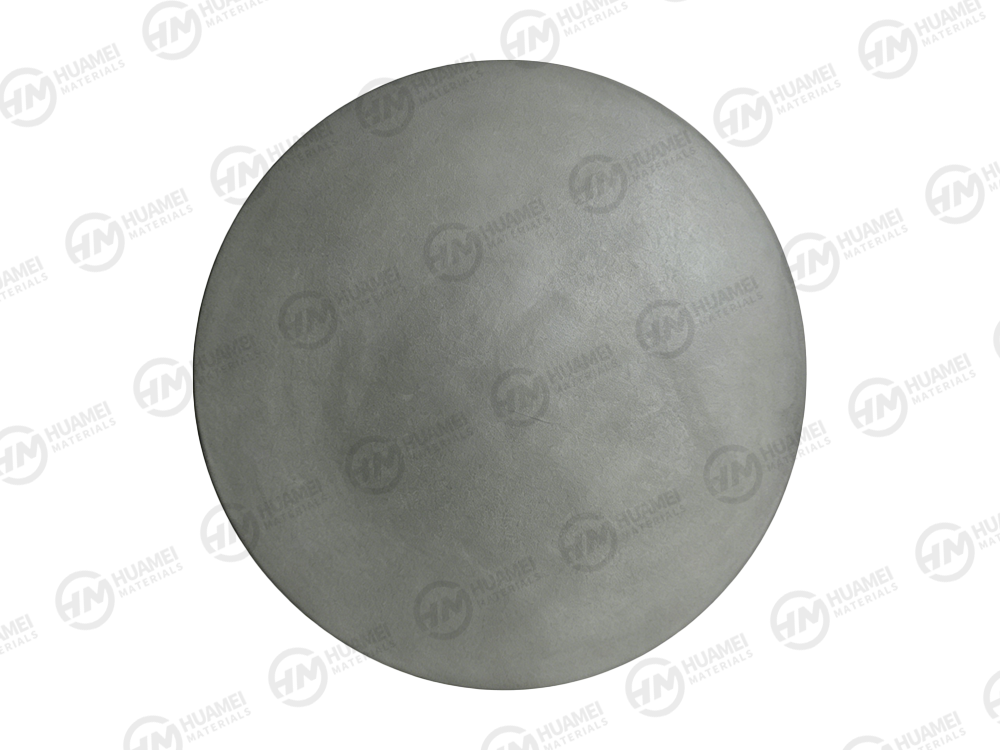
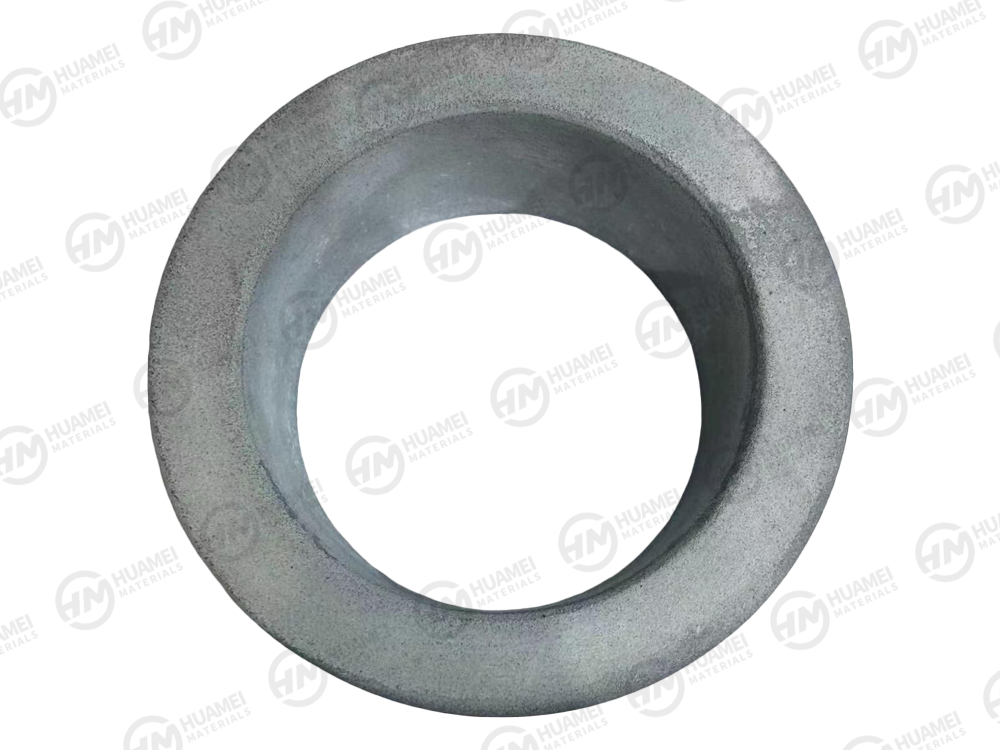
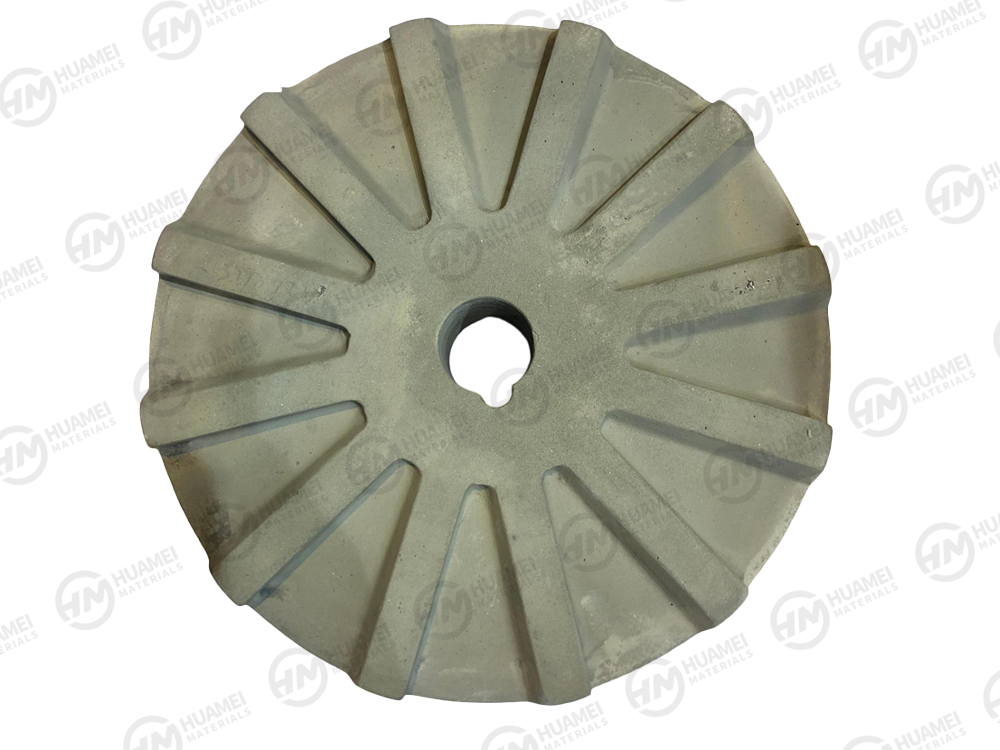
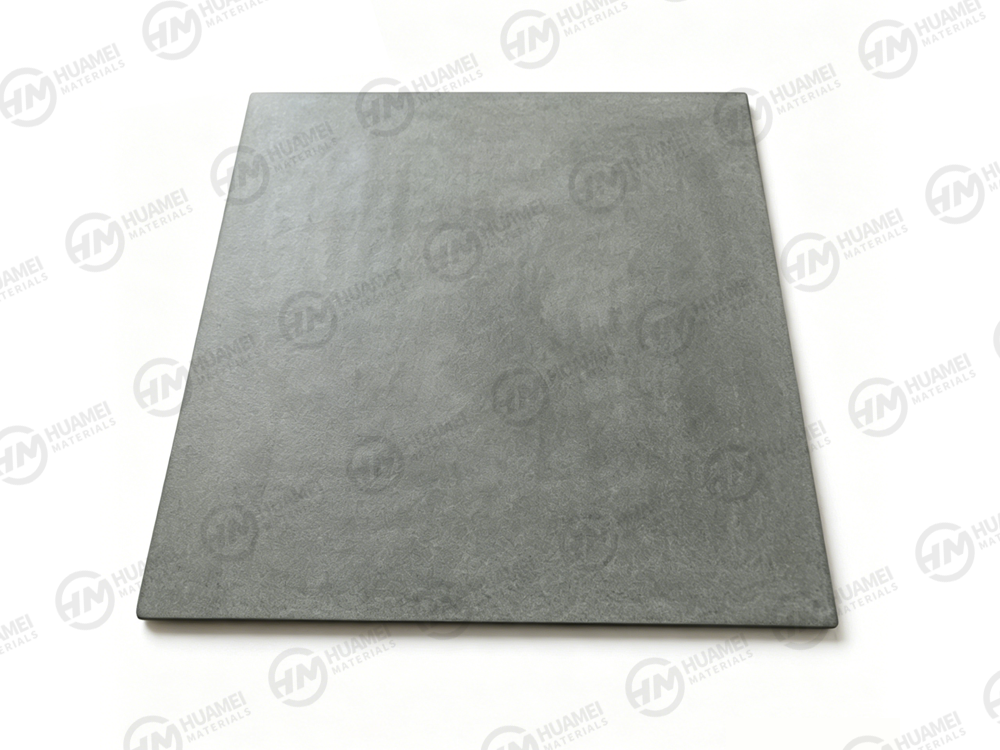
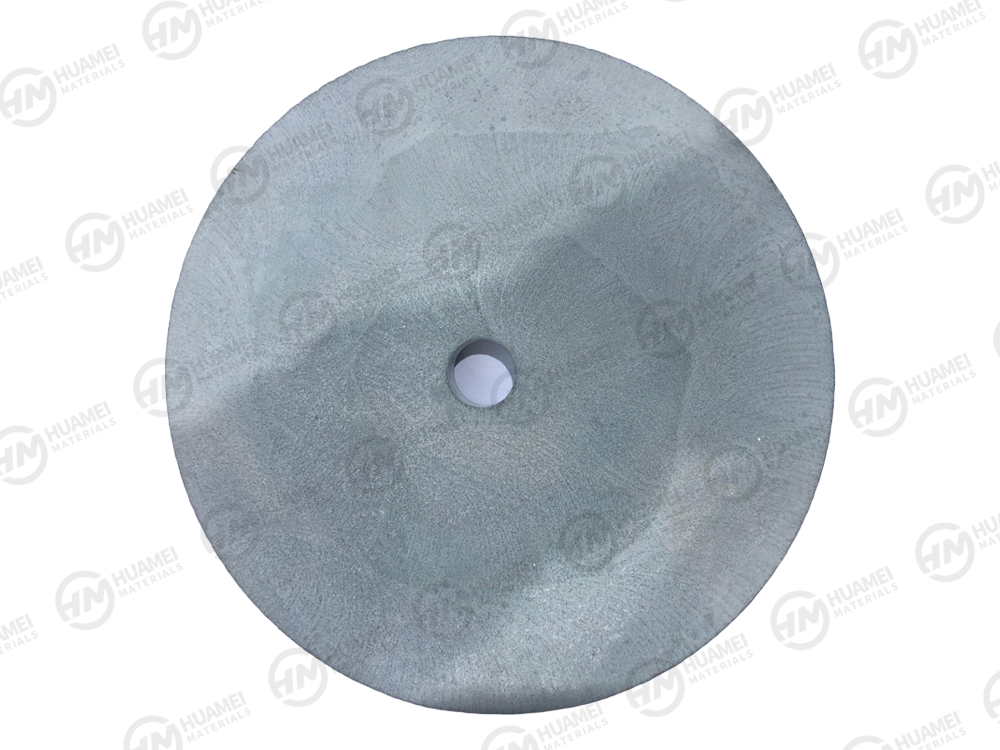
Description
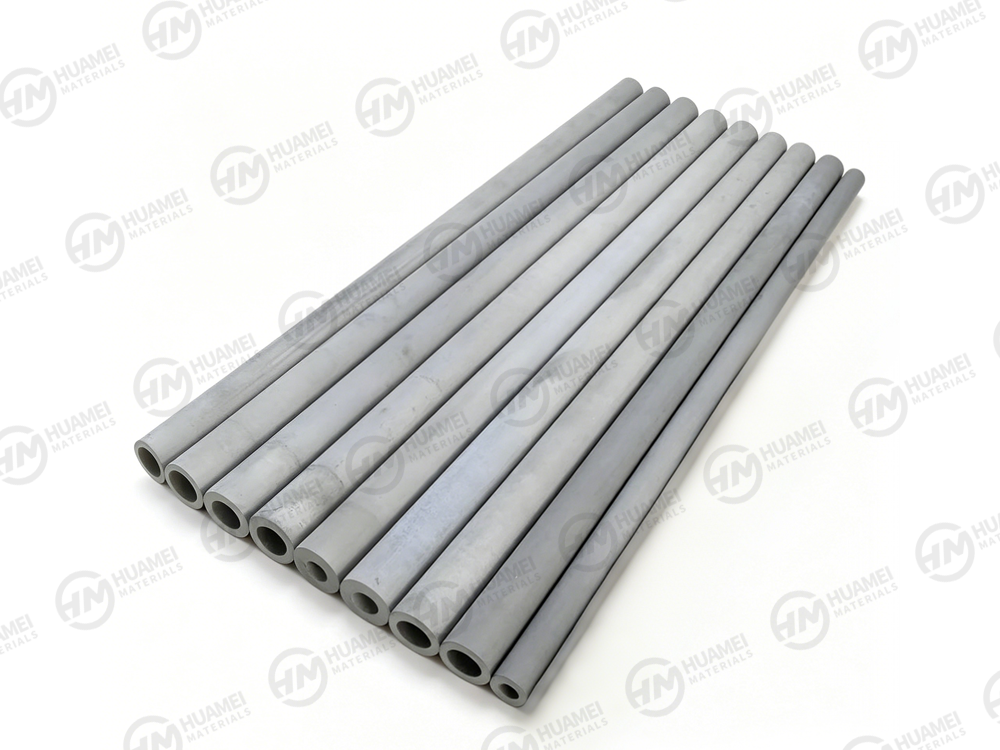
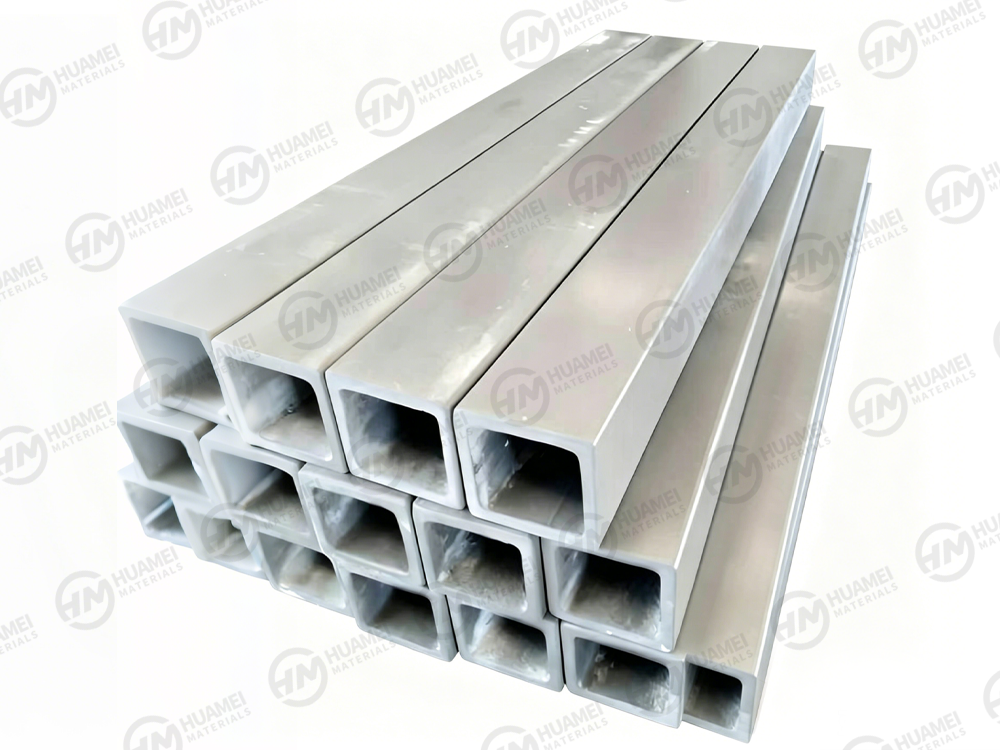
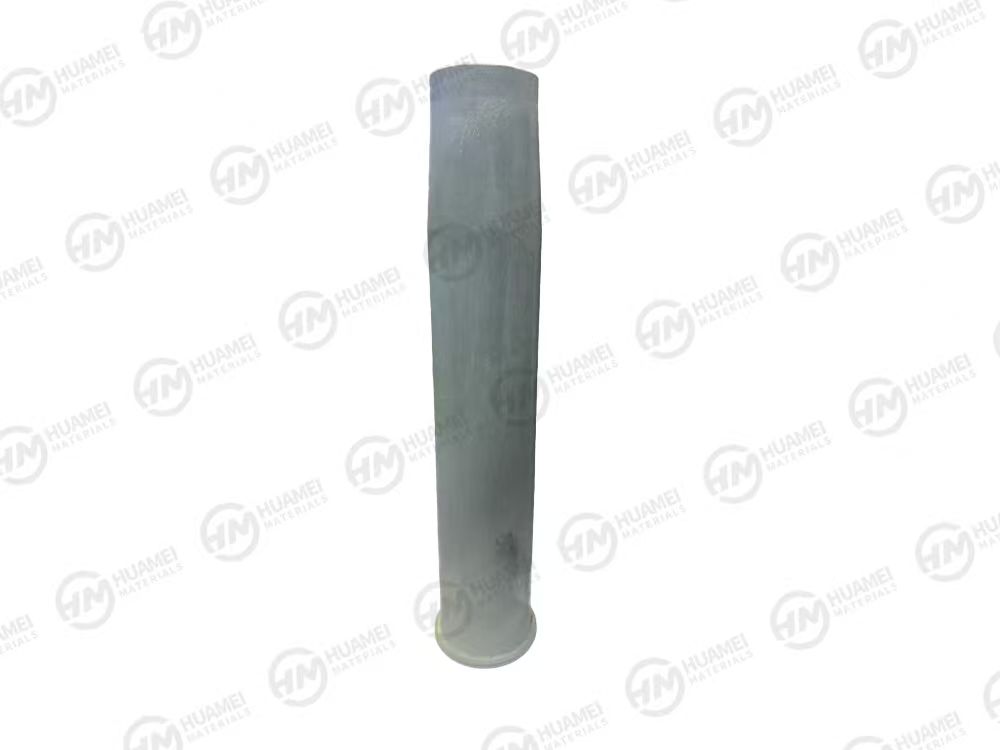
Silicon nitride-bonded silicon carbide products are made by adding industrial silicon powder to SiC aggregate. The silicon powder reacts with nitrogen at high temperature to generate Si3N4, which then tightly bonds with SiC particles to form Si3N4-bonded SiC products.
This material features high strength, high hardness, good oxidation and thermal shock resistance, creep resistance, chemical corrosion resistance, good thermal conductivity, and strong wear resistance. It can be used at temperatures up to approximately 1550℃.
It is widely used in high-temperature industrial applications such as blast furnaces for ironmaking, aluminum electrolysis cells, and ceramic kiln furniture.
Specifications
NBSiC Technical Data Sheet
| Technical Parameters | Unit | Value |
| Silicon Carbide content | mass% | 68 |
| Free Silicon content | mass% | N/A |
| Bulk Density 20℃ | g/cm | 2.75~2.85 |
| Apparent Porosity | Val% | <1 |
| Vickers hardness | GPa | N/A |
| Bending Strength 20℃ | MPa | 170 |
| Bending Strength 1200℃ | MPa | 175 |
| 20-1000℃(Coefficient of Thermal Expansion) | X106.℃-4 | 4.2 |
| Thermal Conductivity 20℃ | W/m-K | N/A |
| Thermal Conductivity 1000℃ | W/m`K | N/A |
| Static 20℃(Modulus of Elasticity) | GPa | 250 |
| Max. Service Temp (air) | ℃ | 1550 |
Note: The above data are typical values for the test samples and do not representthe precise specifications promised by our company for all products.
Applications
1. Silicon nitride-bonded silicon carbide products are widely used in harsh environments such as high temperature, wear resistance, corrosion resistance and thermal shock resistance in many industrial fields such as metallurgy, ceramics and environmental protection due to their excellent properties such as high strength, oxidation resistance, corrosion resistance and thermal shock resistance.
2. In the metallurgical industry, this material is a key refractory material for blast furnaces, mainly used in tuyeres, furnace linings, and other components. Its small-block composite brick design effectively solves the problem of insufficient nitriding of large-sized products, and it is widely used in blast furnaces. In addition, it is also used in non-ferrous metallurgical fields such as aluminum electrolysis cells.
3. In the ceramics and refractory materials industry, silicon nitride-bonded silicon carbide products are commonly used as kiln furniture (such as square beams), kiln accessories (such as burner sleeves and radiant tubes), and various refractory bricks. Their excellent high-temperature load-bearing capacity and thermal shock resistance make them particularly suitable for use in kilns operating at medium and low temperatures and under high loads.
4. In the field of environmental protection, this material is also used in environmental protection facilities such as waste incinerators.
5. In addition, this material also has certain applications in fields such as electrical porcelain, electronic ceramics, machinery, and chemicals.
Advantages
This material features high strength, high hardness, good oxidation and thermal shock resistance, creep resistance, chemical corrosion resistance, good thermal conductivity, and strong wear resistance. It can be used at temperatures up to approximately 1550℃.